Sadness vs depression is a distinction that is often misunderstood, because both experiences can feel similar on the surface, yet they operate in very different ways beneath that surface, and when they are not clearly understood, it becomes easy to misinterpret what you are going through and respond in ways that do not support you. This confusion can lead to unnecessary pressure, because you may expect yourself to move through depression in the same way you would move through sadness, and when that does not happen, it can feel as though something is wrong.
Sadness is a natural emotional response. It is something that arises in reaction to an experience, a loss, a disappointment, or a moment that carries meaning. It has a clear connection to something that has happened, even if that connection is not always immediately obvious. When you feel sad, there is often still a sense of movement within the emotion. It may feel heavy, but it tends to shift over time.
Depression, on the other hand, is not always linked to a specific event. It can develop gradually, and it often involves a broader change in how you feel, think, and experience the world. The difference is not just in intensity, but in how the experience functions. Depression affects your energy, your motivation, your emotional responsiveness, and your ability to engage with life in a consistent way.

One of the key differences in sadness vs depression is the presence of emotional movement. With sadness, even when it feels strong, there is usually some variation. The feeling may come in waves, and there may be moments where it eases, even slightly. You can often still connect with other emotions, even if sadness is the most prominent.
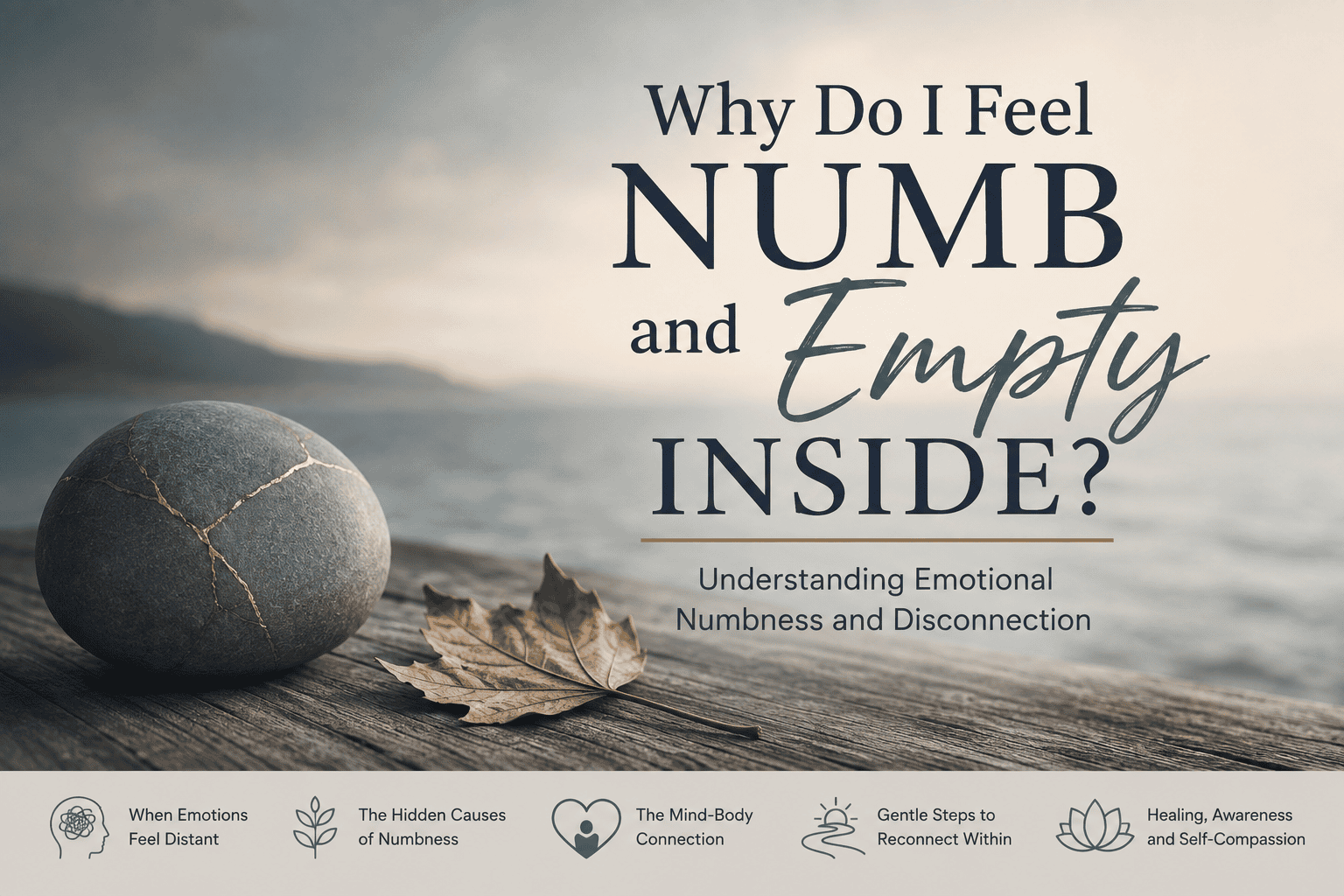
With depression, this movement can become limited. Emotions may feel muted or flattened, and instead of waves, there may be a more constant sense of heaviness or emptiness. This does not always mean intense sadness. In many cases, it means the absence of feeling. This difference is subtle, but it is important.

Another distinction in sadness vs depression is how each affects your energy and behaviour. When you are sad, you may feel less motivated, but you are often still able to engage with tasks, even if it requires more effort. There is usually still a sense of connection between intention and action.
In depression, this connection can weaken significantly. You may know what you need to do, yet feel unable to begin. Tasks can feel overwhelming or distant, not because they are difficult, but because your system does not have the energy to support them. This is where misunderstanding can occur, because from the outside, this may look like lack of effort.
There is also a difference in how time is experienced. Sadness tends to feel temporary, even when it is intense. There is often an underlying awareness that it will pass, even if you do not know when. Depression can feel more persistent, as though it has no clear beginning or end. This can create a sense of being stuck, where the experience feels ongoing rather than shifting.

Thought patterns also differ between sadness vs depression. When you are sad, your thoughts are often connected to what you are feeling. You may reflect on a situation, a memory, or something that has happened. These thoughts, while painful, tend to have a context.
In depression, thoughts can become more generalised and more negative. They may extend beyond a specific situation and begin to affect how you see yourself, your future, and your ability to change things. This shift in thinking can reinforce the emotional state, making it more difficult to move out of.

Another important aspect of sadness vs depression is how each responds to support. When you are experiencing sadness, connection can often bring relief. Talking to someone, expressing how you feel, or allowing yourself to process the emotion can create movement.
With depression, support is still important, but the response may be different. You may find it harder to feel the impact of connection, even when it is present. This does not mean that support is not helping. It means that your system is not able to respond to it in the usual way at that moment.
Understanding sadness vs depression allows you to respond more accurately to your experience. Instead of expecting yourself to move through depression in the same way you would move through sadness, you begin to recognise that different states require different approaches.
This understanding reduces unnecessary pressure. You are no longer comparing your current state to a different emotional experience and expecting the same outcome. You are working with what is actually present, rather than what you think should be happening.
It also creates space for more appropriate support. When you recognise that what you are experiencing is depression rather than sadness, you are more likely to seek the kind of support that aligns with that experience. This might involve taking things more slowly, reducing expectations, or allowing yourself more time.
Sadness vs depression is not about labelling your experience in a rigid way. It is about understanding the differences so that you can respond more effectively. Both experiences are valid, and both require care, but they are not the same.
When this distinction becomes clear, something begins to shift. You are no longer trying to push yourself through something that requires a different kind of response. You are able to meet yourself where you are, with a level of understanding that supports movement rather than resistance.
Sadness vs depression is a difference that changes how you see yourself. It moves you away from self-judgement and towards a more accurate understanding of your internal state. And from that place, even when things feel difficult, the way forward becomes more accessible, not through force, but through a response that is aligned with what you are actually experiencing.

If you find yourself recognising parts of your own experience within this, it may also help to gently explore the deeper patterns behind connection, attachment, and emotional regulation, as these often reveal what the surface alone cannot explain.
Depression and Emptiness – Why You Feel Nothing Even When Life Looks Fine
Navigating Life’s Storms: A Compassionate Approach to Understanding Anxiety (Part 1)
Mental and Emotional Health – Understanding the Nervous System with the V2V Method