Quiet signs of depression often go unnoticed, not because they are insignificant, but because they do not match the common image people have of what depression is supposed to look like, and this mismatch can make it difficult to recognise what is happening even when you are living through it. Many people expect depression to appear as constant sadness, visible withdrawal, or a complete inability to function, yet in reality, it can present in ways that are far more subtle, woven into daily life in a manner that feels almost normal. These quiet signs of depression are often dismissed because they do not feel serious enough to question.
This is what makes these signs so important to understand, because when something becomes normalised, it is less likely to be questioned. You may continue to move through your routines, complete your responsibilities, and appear outwardly stable, while internally something feels different, quieter, or slightly disconnected. This difference is often easy to dismiss, especially if it does not feel extreme.
One of the most common quiet signs depression is a gradual loss of interest in things that once felt engaging. This does not always happen suddenly. It can be a slow shift, where activities you once enjoyed begin to feel less rewarding, less meaningful, or simply not worth the effort. You may still do them out of habit, but the emotional connection that once accompanied them is reduced. Quiet signs of depression can often appear as constant tiredness that does not fully resolve.

Another sign that is often overlooked is a persistent sense of fatigue that does not seem to improve with rest. This is not the kind of tiredness that comes from physical exertion. It is a deeper, more constant sense of low energy that affects both the body and the mind. You may find that even small tasks require more effort than they used to, and this can be confusing if there is no obvious reason for the change.
This fatigue can influence your behaviour in subtle ways. You may begin to delay things, not out of avoidance in the usual sense, but because initiating action feels heavier. You may choose simpler tasks over more meaningful ones, or find yourself doing only what is necessary rather than what feels fulfilling. These changes can seem minor, yet they reflect a shift in your internal capacity.

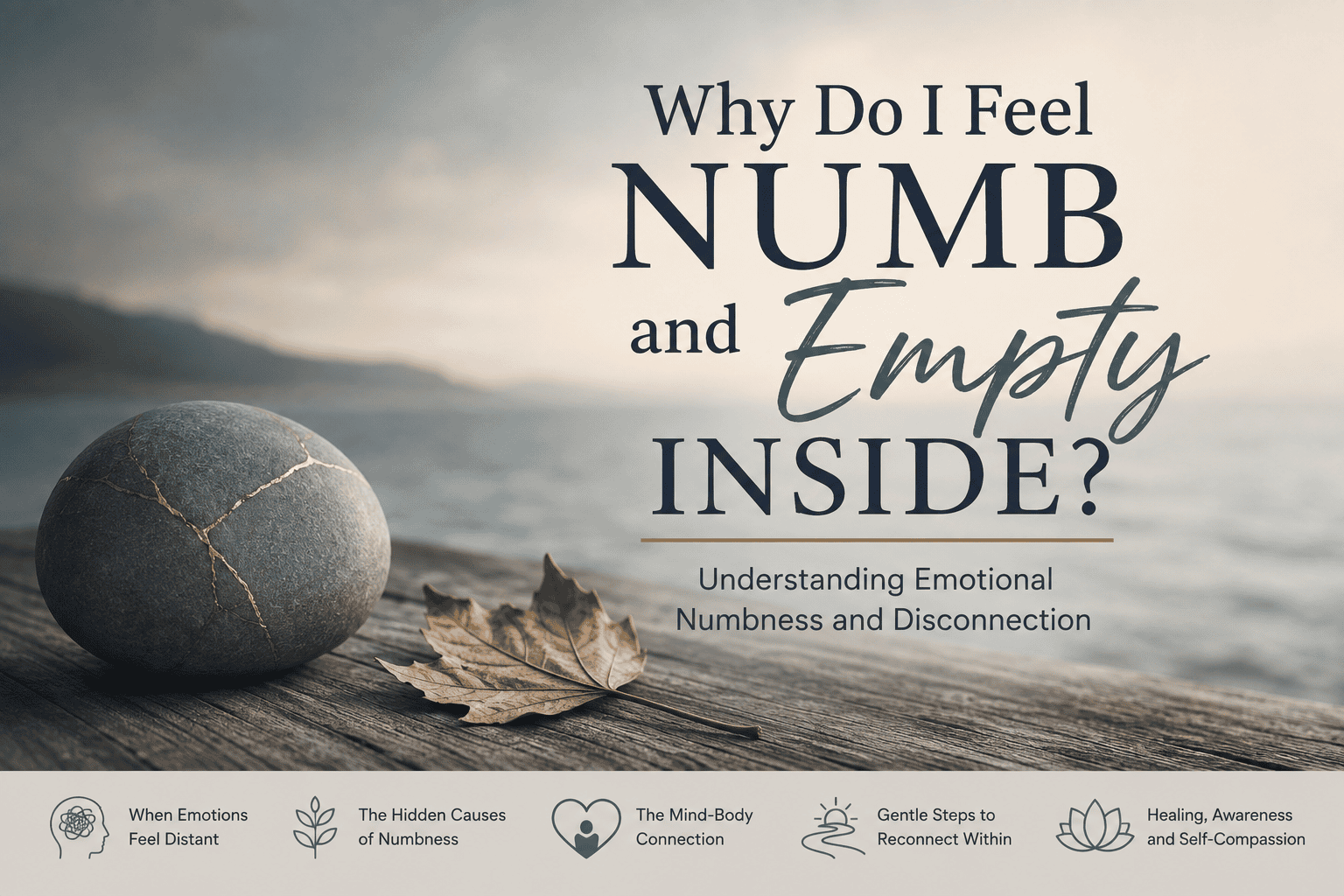
A further quiet sign is a change in how you experience emotions. Depression does not always intensify feelings. In many cases, it reduces them. You may notice a sense of numbness, where your emotional responses feel muted or distant. Situations that would normally evoke a reaction may feel flat, and this lack of response can be difficult to articulate.
This emotional flattening can affect relationships as well. You may find it harder to connect with others, not because you do not care, but because the emotional energy required to engage is not as accessible. Conversations may feel more effortful, and you may prefer to withdraw slightly, even if you still value the connection. This is one of the most overlooked quiet signs of depression, because it feels like nothing rather than something.
Another subtle change can appear in your thinking patterns. Thoughts may become more repetitive, more critical, or more focused on what is not working. This does not always present as intense negativity. It can be a quiet shift towards seeing things through a more limited or constrained perspective. You may find it harder to imagine positive outcomes or to feel optimistic about the future. Quiet signs of depression can also influence how you interpret your thoughts and experiences.

There can also be a quiet sense of disconnection from yourself. You may feel as though you are going through the motions without fully engaging with what you are doing. This can create a sense of distance between your actions and your experience, where you are present physically but not fully connected internally.
Sleep patterns often change in subtle ways as well. You may sleep more than usual, yet still feel tired, or you may struggle to fall asleep even when you are exhausted. These changes are not always dramatic, but they contribute to the overall experience of imbalance.

What makes these quiet signs depression particularly challenging is that they can be easily explained away. You may attribute them to stress, routine, or temporary circumstances. While these factors can play a role, they can also mask what is happening beneath the surface. When signs are subtle, they are more likely to be ignored, and this can delay understanding.
Recognising these patterns is not about labelling yourself or creating concern where it is not needed. It is about becoming aware of shifts in your internal experience. Awareness allows you to respond more accurately, rather than continuing to move through something without understanding it.
When you begin to notice these signs, it becomes possible to approach yourself differently. Instead of expecting the same level of energy, engagement, or emotional response, you can begin to adjust your expectations. This does not mean lowering standards in a negative way. It means aligning with your current state rather than pushing against it.
Small adjustments can make a difference. Allowing more space, reducing unnecessary pressure, and acknowledging how you feel without immediately trying to change it can create a different internal environment. These changes do not remove the experience, but they can reduce the weight of it.
Over time, paying attention to these quiet signs can also help you recognise patterns. You may begin to see how certain situations, levels of stress, or periods of time influence how you feel. This awareness provides useful information that can guide how you respond moving forward.
Quiet signs depression are not signs of failure. They are signals that something within your system is shifting and needs attention. When they are recognised early, it becomes easier to respond in a way that supports balance rather than allowing the experience to deepen unnoticed. When quiet signs of depression are recognised early, it becomes easier to respond with awareness.
This is why subtlety matters. Not everything that affects you will be obvious, and not everything needs to reach an extreme point to be valid. By paying attention to what is quiet, you begin to understand yourself in a more nuanced way, and it is within that understanding that you create the possibility for change, not through force, but through awareness and a more accurate response to what you are experiencing.

If you find yourself recognising parts of your own experience within this, it may also help to gently explore the deeper patterns behind connection, attachment, and emotional regulation, as these often reveal what the surface alone cannot explain.
Depression and Emptiness – Why You Feel Nothing Even When Life Looks Fine
Navigating Life’s Storms: A Compassionate Approach to Understanding Anxiety (Part 1)
Mental and Emotional Health – Understanding the Nervous System with the V2V Method